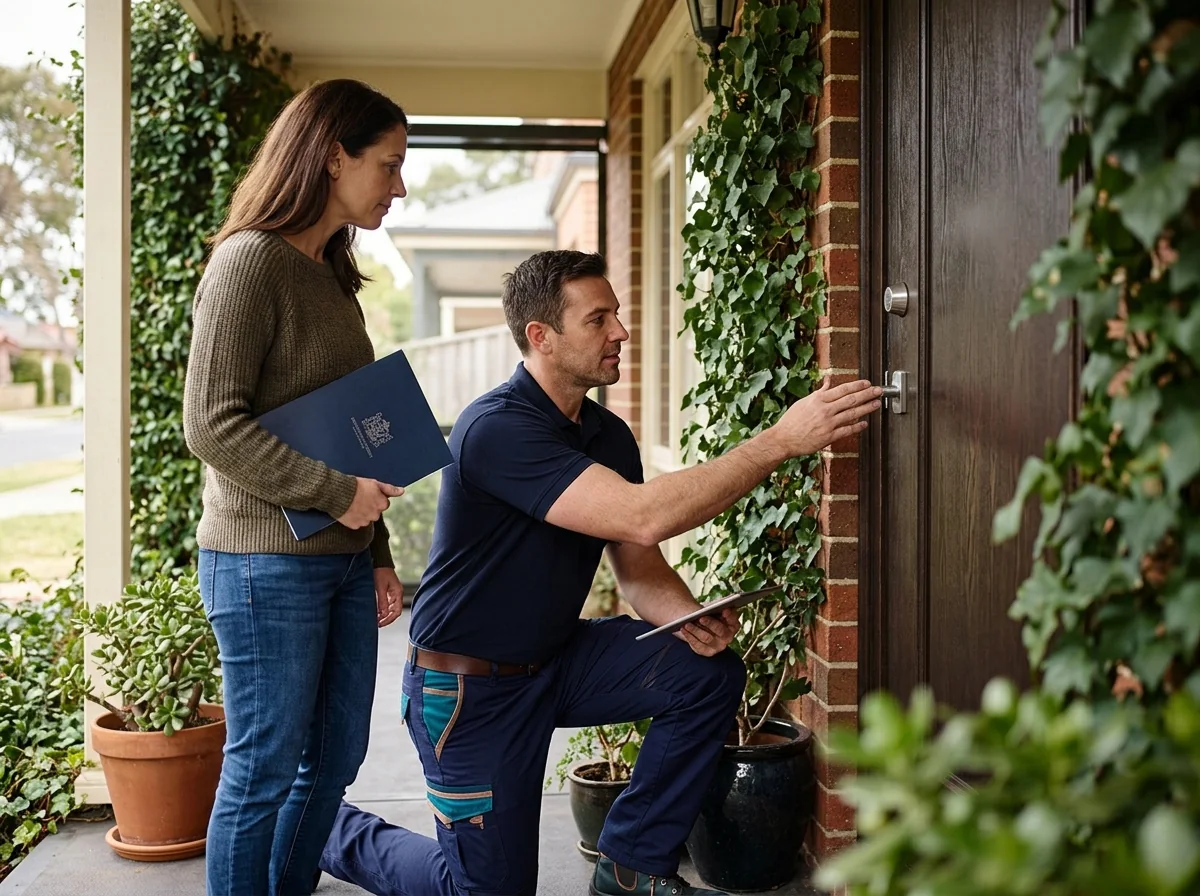
Short answer: Rekeying changes the internal pins of a lock so the old keys stop working, while the lock hardware stays in place. It is a common step after moving into a home or losing a key in South San Francisco.
Rekeying changes the lock internal pins so old keys stop working while the lock hardware stays in place. The lock, the deadbolt and the door are not replaced; the cylinder is set up to work with a new key. That is different from replacing a lock, which changes the hardware, and from opening a lock, which restores access but does not change who holds a working key.
A pin tumbler cylinder works because the key lifts a set of pins to the right height. Rekeying changes that pin arrangement to match a new key, which is why a key that used to work stops turning the lock afterward.
Rekeying is usually the right step after moving into a home or apartment where you do not know who holds a key, after a key is lost or stolen, after a roommate, tenant, contractor or former employee has kept a key, or when you want several locks on one property to work with a single key. If a lock is worn, damaged or no longer meets your security needs, replacement may be the better choice. See rekey or replace for how to decide.
At a rental, check your lease and tell the landlord or property manager before changing locks. In a condominium or HOA property, check whether the association has rules about entry hardware. Whoever authorizes the work needs to be able to show their connection to the property.
The self-styled 'Industrial City' with a hillside sign, and a biotech hub home to Genentech's campus. Give the exact address and the number of locks when you call, so the right help is ready.
For rekeying elsewhere in the area, see lock rekeying in San Bruno. If you are locked out first, start with home lockout. Other lock work is covered under lock change and deadbolt installation.
Yes. Existing locks rekeyed to a new key so old keys stop working, without replacing the hardware.
Rekeying changes the lock internal pins so old keys stop working while the lock hardware stays in place, and the lock then works with a new key.
Not always. Rekeying makes old keys stop working without replacing the hardware. If the lock is worn or damaged, replacement may be the better choice.
Call (650) 489-0999 and describe the situation, your exact location, and what you need. Timing is confirmed on that call rather than promised in advance.
Your exact address, how many locks, whether you have a working key, and identification with some connection to the property.
Call for help: (650) 489-0999